Key Takeaways
- Bad breath is often caused by bacteria and buildup on the teeth, gums, tongue, and between the teeth.
- Poor oral hygiene, gum disease, cavities, and dental infections can all contribute to persistent unpleasant breath.
- Dry mouth can make bad breath worse because reduced saliva allows bacteria and debris to accumulate more easily.
- Certain foods, medications, tobacco use, and mouth breathing may temporarily or persistently affect breath odour.
- Problems involving the sinuses, throat, tonsils, or digestive system can sometimes contribute to unpleasant breath.
- Good daily oral hygiene, hydration, regular dental visits, and proper cleaning of dental appliances can help prevent and manage bad breath.
- If unpleasant breath persists despite good oral care, or occurs alongside pain, swelling, bleeding gums, or other symptoms, professional evaluation is recommended.
Bad breath, also known as halitosis, is something almost everyone experiences occasionally. Morning breath, certain foods, and temporary changes in the mouth can all create unpleasant odours. However, when an unpleasant smell lingers despite regular brushing and flossing, it may point to an underlying problem that deserves attention.
The cause of bad breath can range from simple oral hygiene issues to dry mouth, gum disease, dental infections, dietary habits, or certain health conditions. Understanding where the odour comes from can help you choose the right solution instead of simply masking it with mints or mouthwash. Your breath may be telling you more than you realise.
What Causes Bad Breath?
Bad breath usually develops when odour-producing bacteria break down food particles, dead cells, and other substances in the mouth. This process can release volatile compounds that create an unpleasant smell. While poor oral hygiene is a common contributor, it is not the only possible explanation. The tongue, gums, teeth, saliva levels, diet, medications, and general health can all influence how your breath smells.
For many people, identifying the underlying cause is the first step toward fresher breath. Occasional odour after eating strongly flavoured foods is generally different from persistent halitosis. If bad breath continues for weeks or returns shortly after brushing, it may be worth looking beyond temporary fixes and considering whether an oral health problem or another contributing factor is involved.
Could Poor Oral Hygiene Be Behind the Odour?
One of the most common explanations for persistent bad breath is inadequate oral hygiene. Every day, bacteria accumulate on the teeth, along the gumline, and on the tongue. If plaque is not removed consistently, these bacteria can multiply and produce compounds associated with unpleasant breath. Food particles trapped between teeth can also begin to break down and contribute to odour.
Brushing your teeth is important, but it does not clean every surface where bacteria can collect. A complete oral hygiene routine should address the teeth, gums, tongue, and spaces between the teeth.
Pay particular attention to:
- The tongue: Bacteria and debris can accumulate on its surface, particularly toward the back.
- Between the teeth: Floss or use another interdental cleaning method to remove trapped food and plaque.
- The gumline: Plaque that remains along the gums can contribute to inflammation and unpleasant odours.
- Dental appliances: Dentures, retainers, and other removable appliances should be cleaned according to professional recommendations.
If breath odour improves significantly after consistently improving your oral hygiene, bacterial buildup may have been an important contributor.
Can Gum Disease Cause Persistent Bad Breath?
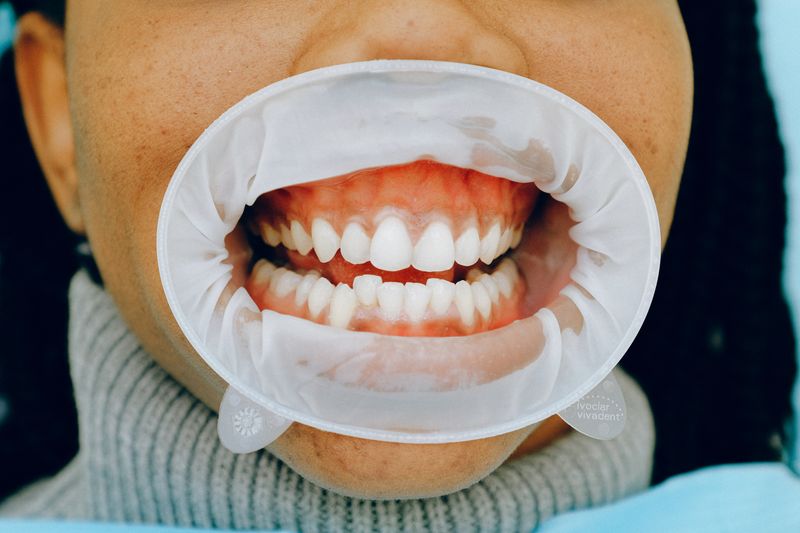
Gum disease is another important potential cause of bad breath. The condition begins when plaque accumulates around the gums and triggers inflammation. In its early stage, known as gingivitis, the gums may become red, swollen, tender, or prone to bleeding during brushing or flossing.
Without appropriate care, gum disease can progress and affect the tissues and structures supporting the teeth. More advanced periodontal disease can create deeper spaces around the teeth where bacteria and debris accumulate. These areas can be difficult to clean with ordinary brushing, allowing odour-producing bacteria to persist.
Signs that bad breath may be associated with gum problems include:
- Gums that bleed regularly when brushing or flossing
- Persistent gum swelling or redness
- Tender or irritated gums
- Receding gums
- Persistent unpleasant taste in the mouth
- Loose or shifting teeth
- Breath that remains unpleasant despite regular cleaning
If you notice these symptoms, schedule a dental examination rather than relying solely on breath fresheners. Treating the underlying gum problem is more effective than simply covering up the odour.
Could Your Tongue Be the Source of the Problem?
The tongue is sometimes overlooked when people try to improve their breath. Its surface contains tiny grooves and structures that can trap bacteria, food debris, mucus, and dead cells. The back portion of the tongue can be particularly prone to buildup because it is harder to reach and may have less natural cleaning from eating and saliva.
This bacterial accumulation can contribute significantly to unpleasant breath. Gently cleaning the tongue with a toothbrush or tongue scraper can help remove some of the material responsible for odour.
However, tongue cleaning should be performed carefully. Scrubbing aggressively can irritate the tissue and does not necessarily provide better results. A gentle approach combined with brushing, interdental cleaning, and regular dental care is generally more appropriate.
If your breath remains unpleasant after improving tongue hygiene, another cause may be involved. Persistent odour should not automatically be attributed to the tongue, especially when other symptoms are present.
How Does Dry Mouth Affect Your Breath?
Saliva plays an important role in keeping the mouth clean. It helps wash away food particles, supports the mouth’s natural defence mechanisms, and helps maintain a healthy oral environment. When saliva production decreases, bacteria and debris can accumulate more easily, potentially resulting in bad breath.
Dry mouth, or xerostomia, can occur for several reasons. Dehydration is one possibility, but certain medications, medical treatments, mouth breathing, and some health conditions can also reduce saliva flow.
You may have dry mouth if you frequently experience:
- A sticky or dry feeling in your mouth
- Difficulty swallowing dry foods
- Frequent thirst
- A dry or rough tongue
- Changes in taste
- Increased difficulty speaking for long periods
- More frequent dental problems
Drinking enough water may help when dehydration is contributing to dryness. Sugar-free chewing gum can also stimulate saliva production for some people. However, persistent dry mouth should be discussed with a dentist or healthcare professional because prolonged dryness can increase the risk of tooth decay and other oral problems.
Can the Foods You Eat Change Your Breath?
Diet is another common and often temporary contributor to unpleasant breath. Certain foods contain aromatic compounds that can enter the bloodstream after digestion and eventually be released through the lungs. This is one reason why some foods can affect breath even after they have been swallowed and the mouth has been cleaned.
Garlic and onions are well-known examples, but they are not the only foods that can influence breath. Strong spices, certain beverages, and some high-protein foods may also alter breath odour depending on the individual.
Food can affect breath in several ways:
- Strong-smelling foods: Aromatic compounds may linger in the mouth or circulate through the body.
- Sticky foods: They can remain on teeth or the tongue and provide material for bacteria.
- Sugary foods: Frequent sugar exposure can encourage bacterial activity and contribute to plaque.
- Very low-carbohydrate diets: Changes in metabolism can sometimes produce distinctive breath odours associated with ketones.
- Alcoholic beverages: Alcohol can contribute to dry mouth, which may worsen odour.
Food-related bad breath is generally temporary. If the odour continues long after the suspected food has been consumed, consider whether another factor is responsible.
Could Cavities or Dental Infections Be the Cause?
Tooth decay can sometimes contribute to unpleasant breath, particularly when cavities become advanced. A damaged tooth may provide spaces where bacteria and food particles become trapped. As bacteria break down these materials, they can produce unpleasant smells or tastes.
Dental infections can also cause significant changes in breath and taste. An infection involving the tooth or surrounding tissues may be accompanied by pain, swelling, sensitivity, or drainage. However, not every dental infection causes obvious pain, so persistent bad breath or a foul taste should not automatically be dismissed.
Signs that warrant prompt dental attention may include:
- Toothache or persistent sensitivity
- Swelling around a tooth or gum
- A pimple-like bump on the gums
- Foul-tasting fluid in the mouth
- Facial or jaw swelling
- Fever associated with dental symptoms
- A tooth that has become significantly damaged
A dental professional can determine whether decay, an infection, or another dental issue is contributing to the odour. Treating the source is essential because mouthwash alone cannot resolve an underlying infection.
What Does Your Breath Say About Your Oral Health?
Your breath can sometimes provide clues about what is happening inside your mouth. A persistent unpleasant smell may indicate that bacteria are accumulating somewhere that ordinary brushing is not adequately reaching. It can also accompany gum inflammation, tooth decay, dry mouth, or other dental concerns.
This is part of the broader connection between oral health and overall well-being, since conditions affecting the mouth can influence comfort, nutrition, sleep, confidence, and quality of life.
Still, breath odour should not be treated as a diagnostic test by itself. A particular smell does not automatically identify a specific disease. Instead, it should be viewed as one possible sign that encourages you to pay closer attention to your oral health.
If bad breath is accompanied by bleeding gums, persistent pain, swelling, loose teeth, recurring mouth sores, or other unusual symptoms, professional evaluation is especially important.
Can Acid Reflux Contribute to Bad Breath?
Gastroesophageal reflux can sometimes contribute to unpleasant breath. With reflux, stomach contents can move upward into the oesophagus and, in some cases, toward the throat and mouth. This may leave an unpleasant taste and potentially affect breath.
People experiencing reflux may also notice heartburn, a sour taste, regurgitation, throat irritation, coughing, or symptoms that become worse after meals or when lying down.
However, not every case of bad breath is caused by the digestive system. The mouth is a much more common source of halitosis, so persistent odour should not automatically be blamed on the stomach.
If you regularly experience reflux symptoms alongside breath changes, discuss them with a healthcare professional. Managing the underlying digestive problem may help reduce associated symptoms, while maintaining good oral hygiene can address oral contributors at the same time.
Can Nasal or Throat Problems Cause Bad Breath?
The mouth is not the only area that can influence breath. Conditions affecting the nose, sinuses, throat, and tonsils may sometimes contribute to unpleasant odours.
Postnasal drip, for example, occurs when mucus drains from the nasal passages toward the throat. Mucus accumulation can create an environment where bacteria thrive. Tonsil stones can also produce an unpleasant smell because they consist of trapped material and bacteria lodged in small pockets of the tonsils.
Potential upper-airway contributors include:
- Chronic nasal congestion
- Sinus problems
- Postnasal drainage
- Tonsil stones
- Throat infections
- Persistent mouth breathing
People who frequently breathe through their mouth because of nasal congestion may also develop dry mouth, creating another pathway to unpleasant breath.
If you have ongoing nasal or throat symptoms together with persistent halitosis, a healthcare professional can help determine whether an upper-airway issue is contributing to the problem.
When Could Bad Breath Point to a Health Problem?
Most cases of bad breath are associated with oral factors, but persistent or unusual breath changes can occasionally occur alongside broader health conditions. Certain metabolic or systemic disorders can alter the chemicals released through the breath.
This does not mean that a particular smell can reliably diagnose a medical condition. Online descriptions of distinctive breath odours can also be misleading because many different factors can influence how breath smells.
Instead, pay attention to persistent changes, particularly when they occur alongside other symptoms. Seek medical advice if bad breath is accompanied by unexplained weight changes, persistent fever, significant fatigue, difficulty swallowing, ongoing digestive symptoms, or other concerning changes.
The key is to avoid jumping to conclusions. A healthcare professional can consider your symptoms, medical history, medications, oral health, and other factors to determine whether further investigation is necessary.
Could Your Medications Be Affecting Your Breath?
Some medications can indirectly contribute to bad breath by reducing saliva production. Because saliva helps cleanse the mouth, reduced saliva flow can allow bacteria and debris to accumulate more readily.
A wide range of medications can potentially cause dry mouth, including some drugs used for allergies, blood pressure, depression, anxiety, and other conditions. The specific effect varies from person to person.
If you notice a change in your breath after starting a medication, do not stop taking it without professional advice. Instead, ask your doctor or pharmacist whether dry mouth or oral changes are a known side effect and whether there are appropriate ways to manage them.
Maintaining hydration, practising thorough oral hygiene, and using products designed for dry-mouth relief may help some people. Your healthcare provider can recommend an approach based on the medication and your individual circumstances.
Why Does Bad Breath Return Even After Brushing?
If you brush your teeth and notice that bad breath returns shortly afterward, the problem may be occurring somewhere that brushing does not fully address. Teeth are only one part of the oral environment, and bacteria can remain on the tongue, between teeth, around the gums, or in areas affected by dental problems.
Another possibility is that reduced saliva flow is allowing bacteria to accumulate quickly. Eating, drinking, smoking, mouth breathing, and certain medications can also influence how quickly breath changes throughout the day.
Consider whether you are:
- Cleaning between your teeth regularly
- Cleaning your tongue gently
- Drinking enough water
- Attending routine dental examinations
- Cleaning removable dental appliances properly
- Experiencing bleeding or swollen gums
- Taking medications that may cause dry mouth
If you consistently follow a thorough routine and the problem continues, a dental examination can help identify an underlying cause.
How Can You Get Rid of Bad Breath?
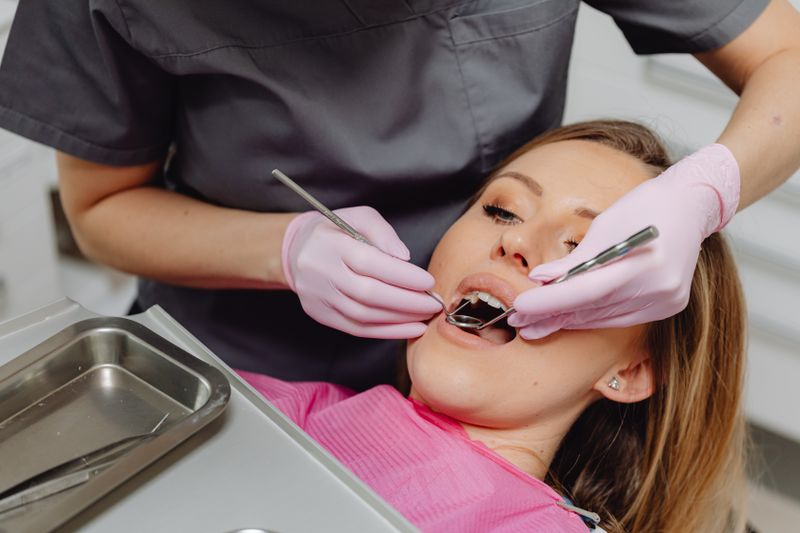
The most effective way to improve bad breath is to address the reason it is happening. Simply using breath mints or strongly flavoured mouthwash may temporarily cover an odour without resolving its source.
Start with a consistent daily oral hygiene routine. Brush twice a day with fluoride toothpaste and clean between your teeth regularly. Gently clean your tongue, particularly if you notice visible buildup. Staying hydrated can also help support normal saliva flow.
You can also make several practical changes:
- Schedule regular dental checkups: Professional examinations can identify cavities, gum disease, infections, and other issues that may contribute to odour.
- Clean your dental appliances: Follow recommended cleaning instructions for dentures, retainers, and similar appliances.
- Avoid tobacco: Smoking and other tobacco use can contribute to unpleasant breath while increasing the risk of serious oral health problems.
- Limit frequent sugary snacks: Reducing repeated sugar exposure can support healthier teeth and gums.
- Drink water regularly: Adequate hydration can help prevent dry mouth.
- Address persistent nasal or digestive symptoms: Treating an underlying condition may reduce associated breath problems.
The right solution depends on the cause. If bad breath persists despite good habits, professional advice is more useful than continually switching between breath-freshening products.
What Should You Do If Bad Breath Does Not Go Away?
Persistent bad breath deserves attention, especially when it continues for several weeks despite good oral hygiene. Rather than assuming you simply need a stronger toothpaste or mouthwash, consider whether an underlying dental or health issue needs to be addressed.
A dentist is a good starting point because many cases originate in the mouth. During an examination, they can look for plaque buildup, gum disease, tooth decay, infections, dry mouth, and other potential contributors.
You should consider making an appointment if:
- Your breath remains unpleasant despite consistent brushing and flossing.
- Your gums bleed frequently.
- You have persistent tooth pain or sensitivity.
- You notice swelling around the teeth or gums.
- You have a recurring unpleasant taste.
- Your teeth feel loose.
- You have persistent dry mouth.
- Bad breath is accompanied by other unexplained symptoms.
If your dentist does not identify an oral cause, they may recommend speaking with another healthcare professional to investigate other possibilities.
How Can You Prevent Bad Breath in the Future?
Preventing bad breath largely comes down to maintaining a healthy oral environment and responding quickly when something changes. Consistency matters more than relying on occasional intensive cleaning. Plaque develops every day, so daily habits are essential for keeping bacterial buildup under control.
A simple prevention routine can include brushing twice daily, cleaning between your teeth, gently cleaning your tongue, staying hydrated, and keeping regular dental appointments. Eating a balanced diet and limiting tobacco can also support healthier teeth and gums.
It is also useful to pay attention to changes rather than becoming overly focused on eliminating every trace of normal breath odour. Everyone experiences temporary breath changes, especially after waking, eating certain foods, or going long periods without eating.
The goal is not to make your breath artificially scented. It is to maintain a healthy mouth and address persistent changes when they occur.
What Is the Most Important Thing to Remember About Bad Breath?
Bad breath is common, but persistent halitosis should not simply be dismissed as an inconvenience. It can result from something as straightforward as bacterial buildup on the tongue or between the teeth, but it may also be associated with gum disease, tooth decay, dry mouth, dental infections, dietary habits, medications, or problems outside the mouth.
The most useful approach is to identify the source rather than continuously masking the smell. Improving daily oral hygiene, staying hydrated, cleaning between the teeth, and attending routine dental examinations can go a long way toward preventing and managing unpleasant breath.
If the problem does not improve, or if it appears alongside pain, swelling, bleeding gums, loose teeth, persistent dryness, or other concerning symptoms, seek professional advice. Fresh breath is not just about smelling better—it can be an important part of maintaining a healthy mouth and recognising when something needs attention.
Conclusion
Understanding the cause of bad breath can help you move beyond temporary solutions and take better care of your oral health. While occasional odour is normal, persistent halitosis may be a sign of plaque buildup, gum disease, tooth decay, dry mouth, dietary factors, or another underlying concern. Paying attention to changes in your breath, practising consistent oral hygiene, and keeping up with dental visits can make it easier to identify problems early.
If bad breath continues despite good habits, do not assume it is something you simply have to live with. A dental professional can help determine what is causing the odour and recommend appropriate treatment. Taking action can improve not only your breath but also your long-term oral health and everyday confidence.