A healthy, confident smile can have a significant impact on both personal and professional interactions. When teeth become damaged, worn, missing, or discolored, many people experience a decline in self-confidence and oral function. Fortunately, modern restorative dentistry offers a wide range of treatments designed to repair and enhance smiles while improving overall oral health.
Today’s dental technology allows patients to achieve results that are both functional and aesthetically pleasing. Whether the goal is to replace missing teeth, repair damage, or improve appearance, a qualified dentist can develop a customized treatment plan. By understanding the available options, patients can make informed decisions that support long-term oral health and confidence.
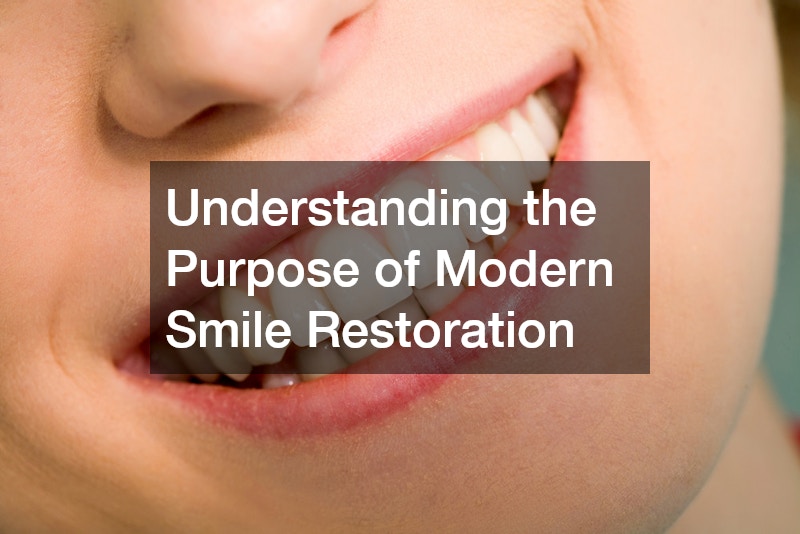
Understanding the Purpose of Modern Smile Restoration
Once a patient has completed their restorative and cosmetic journey, protecting that investment through diligent maintenance is absolutely vital for ensuring the longevity of the results. Just like natural teeth, advanced dental restorations require consistent daily hygiene and regular professional checkups to remain in pristine condition. Plaque and bacteria can still accumulate along the margins where a restoration meets the natural tooth structure, making meticulous brushing and flossing essential for preventing localized decay and gum irritation. Utilizing non-abrasive fluoride toothpastes and high-quality oral rinses helps safeguard the brilliant polish and structural bond of porcelain facades and crowns. By committing to a thorough home care regimen, patients can keep their smiles looking as vibrant and healthy as the day they were completed.
In addition to maintaining exceptional daily hygiene, attending routine examinations at a trusted dental clinic allows the clinical team to monitor the ongoing structural integrity of the restorations. During these periodic wellness visits, the hygienist and doctor will carefully evaluate the health of the surrounding gum tissues, check the stability of the bonding agents, and ensure the bite remains perfectly balanced. For individuals who exhibit signs of nocturnal teeth grinding or clenching, the clinician will often recommend a custom-fabricated nightguard to cushion the teeth and protect the porcelain from excessive mechanical stress. Avoiding behaviors like chewing on ice, biting hard candies, or using teeth as tools further prevents accidental chipping and structural fractures. With this proactive combination of professional oversight and mindful daily care, an enhanced smile can comfortably last for decades.
The Long-Term Health and Total Body Benefits of Oral Restoration
Investing in comprehensive oral restoration yields profound benefits that extend far beyond the boundaries of visual self-confidence and dental functionality. Research in systemic health has repeatedly proven that untreated oral diseases, such as chronic decay and periodontal infections, can have serious negative impacts on the rest of the human body. The chronic inflammation and bacteria associated with deteriorating oral health can enter the bloodstream, potentially exacerbating cardiovascular disease, complicating diabetes management, and increasing the risk of systemic infections. By comprehensively treating decay, eliminating deep-seated bacterial reservoirs, and restoring structural integrity, patients are actively protecting their broader systemic well-being. A clean, fully rehabilitated mouth acts as a healthy gateway for nutrition and shields the body from continuous inflammatory stress.
Common Conditions That Require Treatment
A variety of oral health problems may require restorative procedures. Tooth decay remains one of the most common reasons patients visit a dental office seeking treatment. Cavities that progress beyond the early stages often require fillings, crowns, or other restorative solutions to protect the tooth and prevent further damage.
Broken, chipped, or cracked teeth are also frequent concerns. These issues may occur due to accidents, sports injuries, or years of wear and tear. Depending on the severity of the damage, treatment options can range from bonding and crowns to more comprehensive restorations.
Missing teeth represent another major challenge for oral health. Gaps in the smile can affect chewing efficiency, speech clarity, and jawbone health. Addressing tooth loss promptly helps preserve oral function while maintaining the natural alignment of surrounding teeth.
The Role of Comprehensive Examinations
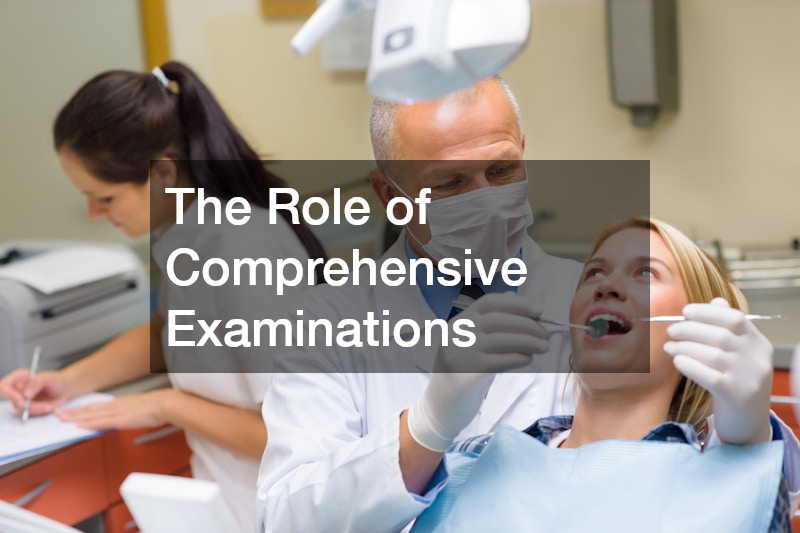
Every successful restoration begins with a thorough evaluation. During an examination, a dentist assesses the condition of the teeth, gums, jawbone, and supporting structures. Digital imaging and diagnostic tools provide valuable information that helps guide treatment planning.
A comprehensive assessment allows dental professionals to identify underlying problems that may not be immediately visible. In many cases, patients are unaware of developing issues until symptoms become severe. Early detection can significantly improve treatment outcomes and reduce the need for extensive procedures.
The examination process also provides an opportunity for patients to discuss their goals and concerns. Whether the objective is improved function, enhanced appearance, or both, clear communication helps create a personalized treatment strategy that aligns with patient expectations.
Restoring Damaged Teeth With Crowns and Fillings
Dental fillings are among the most common restorative treatments available. They are used to repair teeth affected by decay and restore normal function. Modern filling materials can closely match the natural color of teeth, creating a seamless appearance while providing durable protection.
When damage is more extensive, crowns may be recommended. A crown covers the entire visible portion of a tooth, restoring its shape, strength, and appearance. Crowns are particularly beneficial for teeth that have undergone root canal therapy or experienced significant structural damage.
Advancements in materials and manufacturing techniques have greatly improved the quality of crowns and fillings. Patients can now enjoy restorations that blend naturally with surrounding teeth while offering long-lasting performance and comfort.
Replacing Missing Teeth Through Advanced Solutions
Tooth loss can affect far more than appearance. Missing teeth often contribute to shifting teeth, bite problems, and deterioration of the jawbone. Restoring lost teeth is therefore an important aspect of maintaining overall oral health.
One of the most effective approaches involves implant dentistry. Dental implants replace both the tooth root and the visible crown, creating a highly stable and natural-looking solution. Because implants integrate with the jawbone, they help preserve bone density and provide exceptional durability.
Patients considering implant dentistry often appreciate the long-term benefits associated with this treatment. Implants can improve chewing efficiency, support facial structure, and eliminate many of the challenges associated with removable prosthetics. For many individuals, they represent a life-changing investment in oral health.
Enhancing Aesthetics While Restoring Function
Many restorative procedures offer cosmetic benefits in addition to functional improvements. Patients frequently discover that repairing damaged teeth also enhances the appearance of their smiles. This combination of health and aesthetics contributes to the growing popularity of comprehensive restorative treatment plans.
A cosmetic dentist often works closely with patients to achieve results that complement facial features and personal preferences. Careful attention is given to tooth shape, color, alignment, and overall symmetry. The objective is to create restorations that look natural while supporting optimal function.
As patient expectations continue to evolve, the integration of restorative and cosmetic techniques has become increasingly common. Modern treatment approaches allow individuals to address multiple concerns simultaneously, leading to more satisfying outcomes.
The Growing Popularity of Dental Veneers
Among the most versatile cosmetic and restorative options available today are dental veneers. These thin shells are custom-designed to cover the front surfaces of teeth, improving appearance while addressing certain structural imperfections. Veneers can correct issues such as discoloration, minor chips, gaps, and uneven tooth shapes.
Many patients choose dental veneers because they provide dramatic improvements with relatively conservative treatment. The customized design process ensures that each veneer complements the patient’s natural smile and facial characteristics. When properly maintained, veneers can offer years of attractive and reliable performance.
While veneers are often associated with cosmetic enhancement, they can also play a role in restoring damaged teeth. In appropriate cases, they provide both aesthetic and functional benefits that contribute to overall smile transformation.
Navigating the Specialized Ecosystem of the Modern Dental Care Provider
The process of undergoing a comprehensive smile transformation is heavily supported by the advanced technological ecosystem found within a leading dental office. These modern facilities are designed to operate as state-of-the-art hubs where digital diagnostic tools, advanced therapeutic lasers, and cutting-edge material manufacturing come together seamlessly. From the moment a patient steps through the doors, their diagnostic journey is streamlined by digital scanners that create highly accurate three-dimensional models of their teeth without the need for traditional, uncomfortable putty impressions. This high-definition digital framework allows the clinical team to plan complex movements, design precise restorations, and preview the outcomes on a computer screen before any physical treatment begins.
To find the best cosmetic dentist with the highest level of comprehensive expertise, patients should look for local cosmetic dentists who actively collaborate with top-tier dental laboratories and utilize the finest medical-grade materials. This localized access ensures that communication between the patient, the clinical team, and the laboratory ceramists remains completely flawless throughout the fabrication process. Many premier facilities also feature in-house milling machines that utilize computer-aided design and manufacturing to create custom ceramic restorations in a single visit. This level of technological integration means that patients can receive beautiful, durable crowns and onlays with fewer appointments and minimal downtime. By choosing a facility that embraces these modern innovations, patients can enjoy an exceptionally efficient, comfortable, and highly precise treatment experience.
Technology’s Impact on Restorative Outcomes
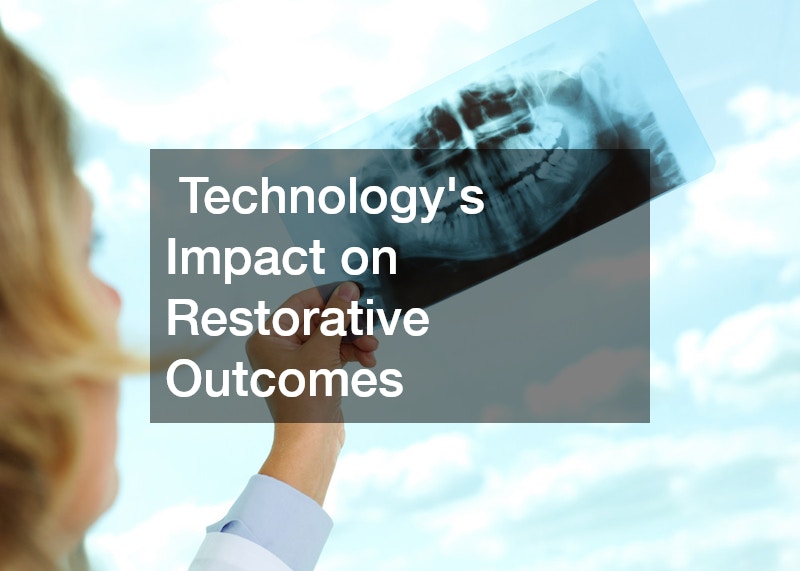
Advances in dental technology have transformed nearly every aspect of restorative treatment. Digital scanners, three-dimensional imaging, and computer-guided planning systems improve accuracy and efficiency throughout the treatment process. These innovations often result in more predictable outcomes and enhanced patient experiences.
Modern manufacturing methods allow restorations to be fabricated with remarkable precision. Crowns, bridges, and other restorations can be designed digitally to ensure optimal fit and appearance. This level of customization contributes to improved comfort and longevity.
Technology also enhances patient communication. Digital simulations and visual treatment planning tools help patients understand proposed procedures and anticipated results. Greater transparency often leads to increased confidence and satisfaction throughout the treatment journey.
Maintaining Results for Long-Term Success
Once a patient has completed their restorative and cosmetic journey, protecting that investment through diligent maintenance is absolutely vital for ensuring the longevity of the results. Just like natural teeth, advanced dental restorations require consistent daily hygiene and regular professional checkups to remain in pristine condition. Plaque and bacteria can still accumulate along the margins where a restoration meets the natural tooth structure, making meticulous brushing and flossing essential for preventing localized decay and gum irritation. Utilizing non-abrasive fluoride toothpastes and high-quality oral rinses helps safeguard the brilliant polish and structural bond of porcelain facades and crowns. By committing to a thorough home care regimen, patients can keep their smiles looking as vibrant and healthy as the day they were completed.
In addition to maintaining exceptional daily hygiene, attending routine examinations at a trusted dental clinic allows the clinical team to monitor the ongoing structural integrity of the restorations. During these periodic wellness visits, the hygienist and doctor will carefully evaluate the health of the surrounding gum tissues, check the stability of the bonding agents, and ensure the bite remains perfectly balanced. For individuals who exhibit signs of nocturnal teeth grinding or clenching, the clinician will often recommend a custom-fabricated nightguard to cushion the teeth and protect the porcelain from excessive mechanical stress. Avoiding behaviors like chewing on ice, biting hard candies, or using teeth as tools further prevents accidental chipping and structural fractures. With this proactive combination of professional oversight and mindful daily care, an enhanced smile can comfortably last for decades.
The Connection Between Oral Health and Confidence
The benefits of restorative treatment extend beyond physical improvements. A healthy smile often contributes to greater confidence in social, personal, and professional situations. Individuals who feel good about their smiles are more likely to engage comfortably with others and express themselves freely.
Restorative procedures can also eliminate discomfort associated with damaged or missing teeth. Improved chewing ability, clearer speech, and reduced pain enhance overall quality of life. These practical advantages often have a meaningful impact on daily activities and well-being.
For many patients, smile restoration represents an investment in both health and self-esteem. The ability to smile confidently can influence everything from first impressions to long-term personal satisfaction.
Transforming a smile through restorative dentistry involves far more than repairing damaged teeth. Modern treatments address function, appearance, comfort, and long-term oral health, helping patients achieve comprehensive improvements that enhance their quality of life. From fillings and crowns to dental veneers and implant-supported restorations, today’s solutions offer remarkable opportunities for smile renewal.
Working with an experienced dentist and maintaining consistent dental care are essential components of lasting success. Whether visiting a trusted dental office for preventive services or consulting a cosmetic dentist for advanced treatment options, patients have access to highly effective solutions tailored to their needs. By partnering with qualified professionals and taking a proactive approach to oral health, individuals can enjoy the benefits of a strong, healthy, and confident smile for years to come.