Your smile is one of the first things people notice, but it reveals much more than just your mood or personality. It can provide important clues about your overall health. From the condition of your gums to the color of your teeth, your mouth often reflects what’s happening inside your body. Subtle changes may signal nutritional deficiencies, stress, or even underlying medical conditions that require attention.
Many people focus on appearance when it comes to their smile, but the truth is that oral health is deeply connected to whole-body wellness. Paying attention to small warning signs and staying consistent with healthy habits can help you prevent bigger problems down the road. This guide explores how your smile can act as a window into your overall health and what steps you can take to maintain both.
The Link Between Oral Health and Whole-Body Wellness

Your mouth is home to millions of bacteria, both good and bad. When your oral environment is balanced, these bacteria coexist without causing harm. However, when that balance is disrupted, it can lead to issues that extend beyond your mouth.
How your mouth reflects internal health
Conditions like inflammation, infection, and even chronic illness can first appear in the mouth. Gum irritation, sores, and unusual discoloration may indicate deeper issues. Poor dental care habits can allow harmful bacteria to enter the bloodstream, potentially contributing to conditions such as heart disease or diabetes complications.
Why regular visits matter more than you think
Routine checkups at dental offices do more than clean your teeth. They provide an opportunity to catch early signs of problems before they become serious. Preventive dental care supports not just oral health, but overall well-being.
Actionable tips to stay ahead
- Brush twice daily using proper technique
- Floss consistently to remove buildup between teeth
- Stay hydrated to support saliva production
- Limit sugary and acidic foods
- Schedule routine checkups even when everything feels fine
By maintaining consistent dental care, you lay a strong foundation for better overall health.
What Tooth Color and Stains Can Reveal
Tooth color changes are often dismissed as cosmetic concerns, but they can sometimes signal underlying health or lifestyle issues. For example, certain medications, excessive fluoride exposure, or metabolic disorders can all contribute to noticeable changes in tooth shade. Additionally, sudden or uneven discoloration may point to trauma, infection, or even early signs of tooth decay. Paying attention to these shifts and discussing them with your dentist can help uncover the root cause and guide you toward appropriate treatment or lifestyle adjustments.
Understanding discoloration causes
Staining can result from common habits like drinking coffee, tea, or wine. Smoking and poor oral hygiene also contribute to discoloration. However, deeper staining may be linked to medication use, aging, or enamel erosion.
When changes in color signal deeper issues
Yellowing teeth may indicate thinning enamel, while gray or dark tones can suggest internal damage. Sudden changes in tooth color shouldn’t be ignored, especially if they’re accompanied by sensitivity or discomfort.
Improving both appearance and health
Working with a cosmetic dentist can help identify the cause of discoloration and recommend appropriate treatments. Options like teeth whitening can restore brightness, but it’s equally important to address the underlying factors causing the change.
Practical ways to maintain a healthy, bright smile include:
- Reducing staining foods and beverages
- Rinse your mouth after consuming acidic drinks
- Using a soft-bristled toothbrush to protect enamel
- Following professional recommendations for whitening treatments
A brighter smile often reflects improved oral hygiene and greater awareness of overall health.
Missing Teeth and What They Mean for Your Health
Tooth loss affects more than just appearance—it can impact how your body functions. Missing teeth may alter the way you chew, making it harder to break down certain foods and potentially leading to digestive issues or nutritional deficiencies over time. It can also affect speech clarity, change your bite alignment, and place extra stress on remaining teeth, increasing the risk of further oral health problems. In some cases, tooth loss can even contribute to changes in facial structure, lowering self-confidence and quality of life. Addressing tooth loss promptly helps preserve your ability to eat, speak, and smile comfortably.
How tooth loss impacts your body
Missing teeth can make it difficult to chew properly, which affects digestion. Over time, the jawbone may begin to deteriorate due to a lack of stimulation, leading to changes in facial structure.
Why replacing missing teeth matters
Replacing missing teeth helps restore both function and balance in your mouth. Options like dental bridges can fill gaps and improve alignment, while a dental implant can provide a more permanent solution that supports bone health.
Practical steps for addressing tooth loss
- Seek evaluation soon after losing a tooth
- Discuss replacement options based on your needs
- Maintain proper hygiene around restored areas
- Avoid habits that could damage surrounding teeth
Taking action early helps prevent additional complications and supports long-term health.
Gum Health as a Window Into Chronic Conditions
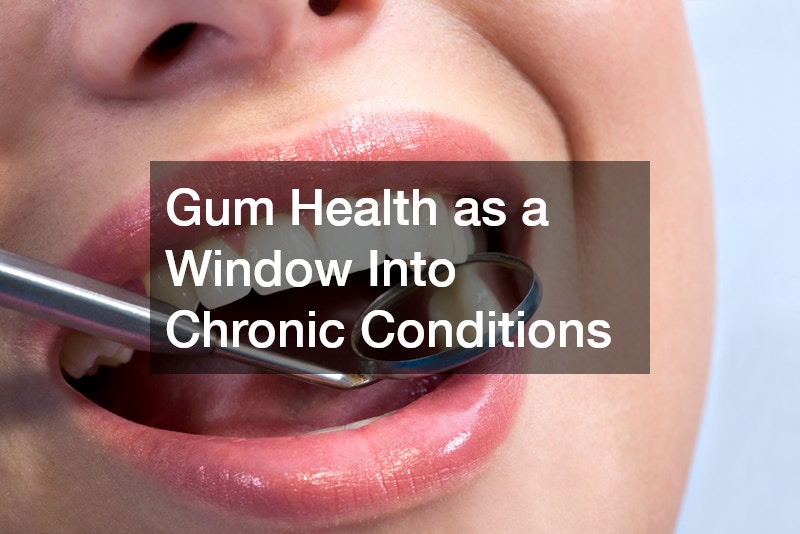
Your gums are often one of the first areas to show signs of inflammation or disease. Redness, swelling, or bleeding when brushing and flossing can indicate the early stages of gum disease, while persistent gum irritation may reflect systemic health issues such as diabetes, hormonal changes, or immune system disorders. In some cases, pale or receding gums can be linked to anemia or nutritional deficiencies. Because gum tissue is sensitive to changes throughout the body, monitoring gum health not only protects your smile but may also provide early warning signs for larger health concerns. Regular dental checkups and prompt attention to changes in your gums are essential for both oral and overall wellness.
What bleeding or swollen gums may indicate
Gum irritation can result from poor hygiene, but it may also reflect systemic inflammation. In some cases, gum disease has been linked to conditions such as cardiovascular issues or immune system challenges.
How lifestyle affects gum health
Diet, stress, and hydration all play a role in gum health. Poor nutrition can weaken your body’s ability to fight infection, while chronic stress may increase inflammation.
Improving gum health naturally and professionally
Some individuals also explore guidance from the best detox doctors when addressing inflammation and overall wellness. While this approach varies, combining lifestyle changes with consistent dental care can improve outcomes.
Steps to support healthier gums include:
- Eating a balanced diet rich in vitamins
- Staying hydrated throughout the day
- Managing stress through regular exercise or relaxation
- Maintaining consistent oral hygiene routines
Healthy gums contribute to a healthier body, making them an important focus area.
Jaw Tension, Stress, and Facial Indicators
Stress doesn’t just affect your mind—it often shows up physically in your jaw and facial muscles. Chronic stress can lead to habits such as teeth grinding (bruxism) or persistent jaw clenching, which may result in soreness, headaches, or even damage to your teeth and temporomandibular joint (TMJ). Over time, these patterns can cause facial pain, tension, or asymmetry, and may interfere with your ability to eat or speak comfortably. Recognizing the physical signs of stress in your facial muscles allows for early intervention, which can help prevent long-term discomfort and protect your oral health.
How stress shows up in your smile
Teeth grinding and jaw clenching are common responses to stress. These habits can lead to worn teeth, headaches, and discomfort over time. In addition to damaging your tooth surfaces, persistent grinding and clenching can cause jaw stiffness, muscle fatigue, and even contribute to temporomandibular joint (TMJ) disorders. Some people may also experience earaches or disrupted sleep due to nighttime grinding. Left unaddressed, these patterns can make everyday activities like chewing or speaking uncomfortable and may require dental intervention, such as custom mouth guards or therapeutic treatments, to restore comfort and function.
Recognizing the signs early
You may notice tightness in your jaw, increased tooth sensitivity, or even small fractures in your teeth. These signs often develop gradually, making them easy to overlook.
Solutions for relief and prevention
In some cases, treatments like Botox injections may be used to reduce muscle tension. For patients who experience anxiety during procedures, sedation dentistry can make treatment more manageable.
Additional strategies include:
- Practicing relaxation techniques such as deep breathing
- Using a night guard if recommended
- Avoiding hard foods that strain the jaw
- Staying aware of clenching habits during the day
Managing stress can improve both your oral health and overall well-being.
Breath Odors and What They Reveal About Health

Persistent bad breath can be more than just a minor inconvenience—it may point to underlying issues. Chronic halitosis is sometimes linked to oral infections, untreated gum disease, or dry mouth, but it can also signal conditions beyond your mouth, such as sinus infections, gastrointestinal problems, or metabolic disorders like diabetes. Certain medications, dehydration, or even dietary choices might play a role as well. If bad breath persists despite good oral care, it’s important to consult both your dentist and, if needed, your physician to explore all possible causes and ensure prompt treatment.
Common causes of persistent bad breath
Bacteria buildup, dry mouth, and poor hygiene are common causes. However, ongoing issues may signal infections or digestive concerns.
Health conditions linked to breath changes
Certain odors may indicate specific problems. For example, a fruity smell could be linked to metabolic conditions, while a sour odor may suggest digestive imbalance.
Steps to improve breath and overall health
Regular visits to dental offices and consistent dental care routines can help address these issues effectively.
Helpful habits include:
- Brushing your tongue daily
- Drinking plenty of water
- Avoiding tobacco products
- Using mouthwash when appropriate
Fresh breath often reflects a well-maintained oral environment.
The Role of Preventive Care and Financial Planning

Staying proactive with your health can help you avoid more serious issues later. Regular preventive care, such as routine dental checkups and cleanings, allows you to detect and address minor concerns before they develop into major problems. This approach not only protects your oral health but also supports overall wellness, as many conditions first present subtle symptoms in the mouth. By taking initiative and making preventive care a priority, you can benefit from fewer emergencies, lower long-term healthcare costs, and greater peace of mind. Proactivity empowers you to take control of your health journey and enjoy a better quality of life.
Why prevention is more effective than treatment
Routine care helps identify problems early, reducing the need for more involved procedures. Preventative measures often lead to better outcomes and lower long-term costs.
Planning for consistent care
Many people delay care due to financial concerns. Working with insurance agencies can help make routine visits more manageable.
Making care more accessible
- Schedule regular checkups in advance
- Ask about payment plans or coverage options
- Prioritize essential treatments when needed
- Stay consistent with at-home care to reduce future costs
Preventive care supports both your health and financial stability.
How a Healthy Smile Supports Confidence and Well-Being
Your smile plays a major role in how you feel about yourself and how others perceive you. A confident, healthy smile can enhance your self-esteem, encourage positive social interactions, and even influence first impressions in both personal and professional settings. Studies have shown that people who are comfortable with their smile are more likely to engage with others, express themselves freely, and maintain strong relationships. Conversely, concerns about the appearance or health of your teeth may lead to self-consciousness, social withdrawal, or reluctance to speak or smile openly. Investing in your oral health is not just about aesthetics—it’s a powerful way to support emotional well-being and foster a more fulfilling, connected life.
The connection between appearance and mental health
A healthy smile can boost confidence, improve social interactions, and positively impact your overall outlook. Feeling good about your appearance often leads to better self-care habits.
Balancing health and aesthetics
Working with a cosmetic dentist can help address both functional and aesthetic concerns. Enhancements such as Botox injections may also complement a balanced approach to facial appearance.
Building confidence through consistent habits
- Maintain daily hygiene routines
- Address concerns early rather than waiting
- Focus on both health and appearance
- Celebrate small improvements over time
Confidence grows when you feel comfortable and healthy in your own skin.
Your smile offers valuable insight into your overall health. From gum condition to tooth structure, the signs your mouth provides can help you identify potential concerns early and take action before they become more serious. By paying attention to these signals and maintaining consistent habits, you can support both your oral health and your overall well-being.
Taking care of your smile is about more than appearance—it’s about protecting your long-term health and quality of life.